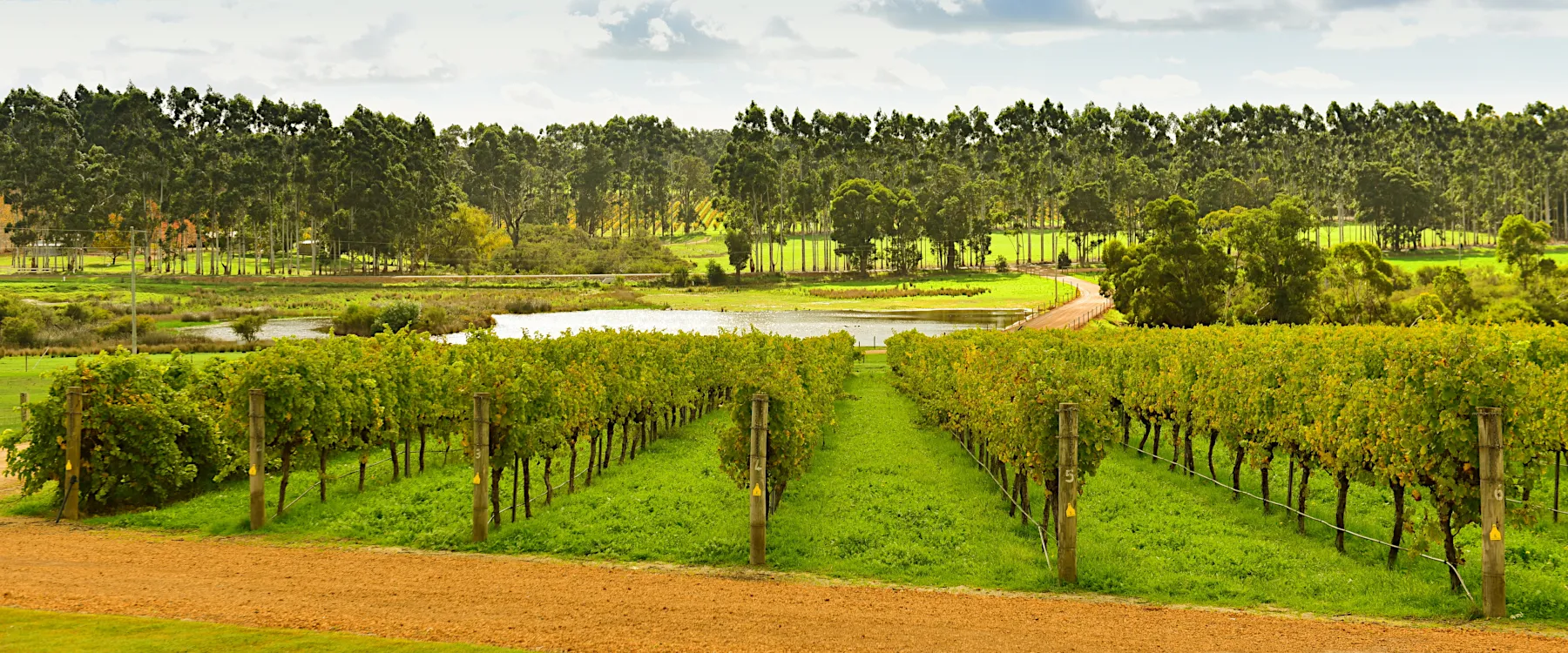
Margaret River turned a remote corner of Western Australia into one of the New World’s most compelling fine-wine regions. Two oceans, careful science and an instinct for restraint lie behind its rise, with Cabernet Sauvignon and Chardonnay leading a story that is as much about proportion as it is about prestige.
WineRover
Roaming the World of Taste
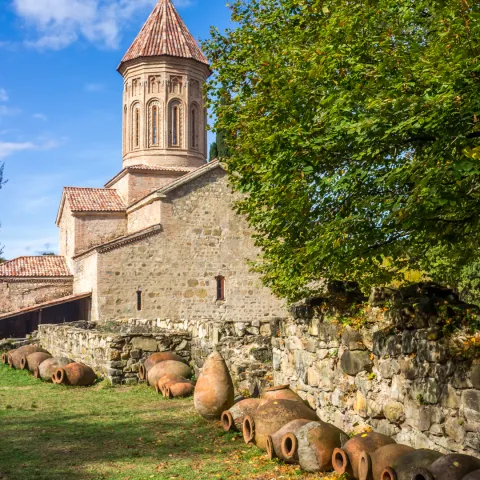
In Kakheti—Georgia’s main vineyard region—wine often begins underground, in buried qvevri where juice and skins ferment together. From Neolithic evidence of grape wine to monasteries like Alaverdi and classic appellations (Tsinandali, Mukuzani, Kindzmarauli), “origin” stops being a slogan and becomes a set of verifiable facts.
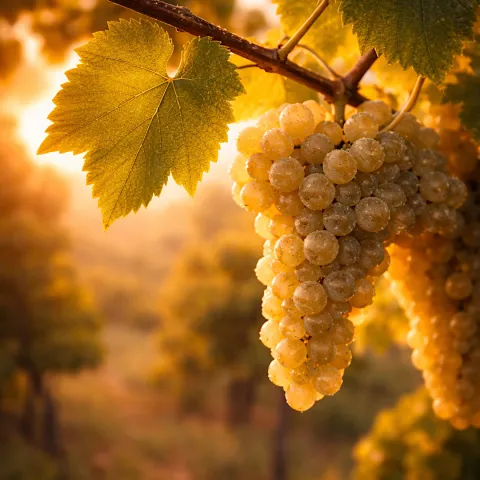
At the top of New Zealand’s South Island, Marlborough turned Sauvignon Blanc into a global shorthand: vivid, reliable, export-ready. From the first vines planted in 1973 to Cloudy Bay’s breakthrough, the region’s climate, subregions and SWNZ sustainability framework show how one aromatic style helped reshape the worldwide white-wine market.
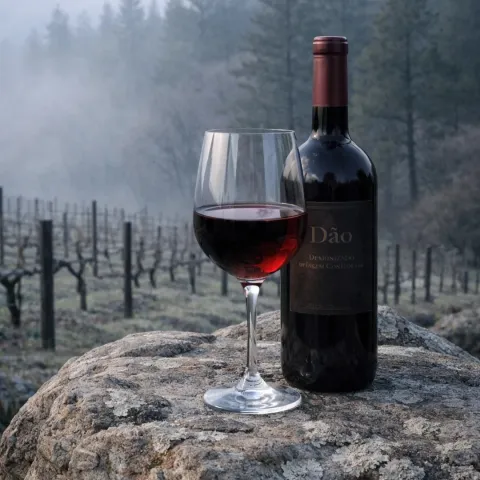
Dão’s elegance isn’t a slogan: it rises from granite soils, altitude and a century-long story of demarcation, cooperative control and late-1970s liberalisation. From Touriga Nacional and Alfrocheiro to Tinta Roriz and Jaen, plus quietly brilliant Encruzado whites, this sheltered inland region is speaking again—measured, precise, and modern.
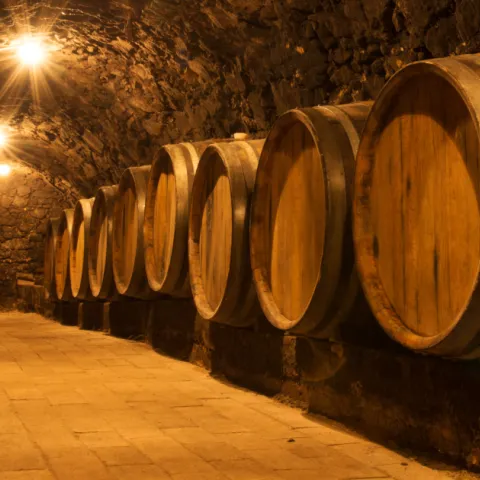
Sometimes a calendar tells you more than a glass. The programme for Budapest’s “Furmint February” reads like a concert listing: 13 February, 4–9 pm, Hagyományok Háza (Hungarian Heritage House), Corvin tér 8. Fifteen editions in, the month-long campaign has become a national ritual — a public reminder that Hungary’s flagship grape is not a niche curiosity but a subject with its own season.
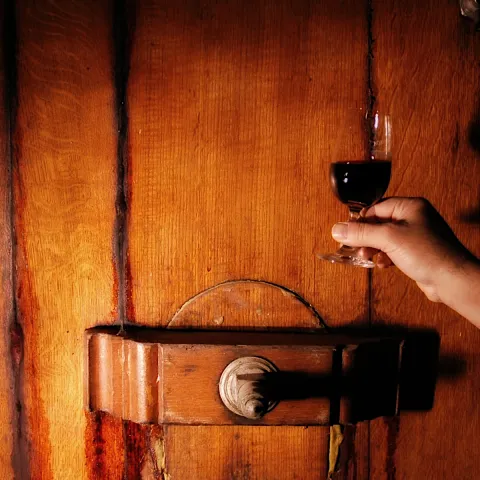
Tannin is the secret scaffold of red wine—what you cannot see but certainly feel. From grape skins and seeds to oak barrels, a journey through the chemistry and sensory experience of the substance that distinguishes a forgettable bottle from one capable of traversing decades.
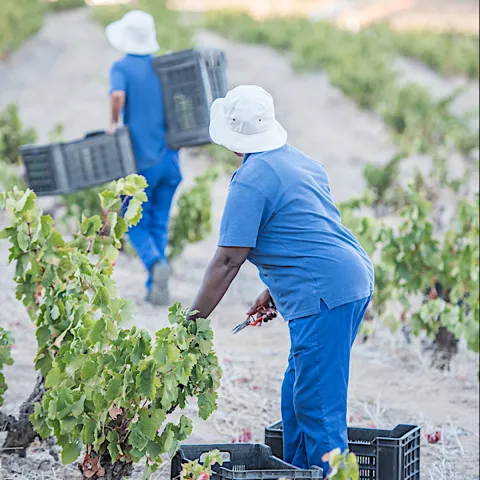
Swartland, north of Cape Town, has reshaped South Africa’s fine-wine reputation through old vineyards, dry-farming and a disciplined idea of freedom. From the Swartland Revolution to the rigorous standards of independent producers, Chenin Blanc and Syrah tell a story of shale, granite and belonging—measured in rules, not slogans.
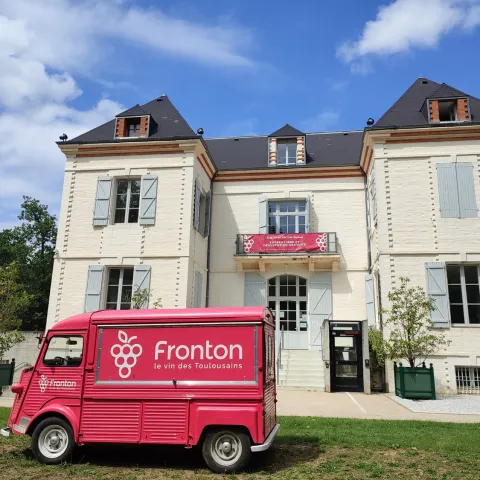
Between the Garonne and the Tarn, north of Toulouse, Négrette is the only grape variety in the world to dominate an entire appellation. Temperamental and disease-prone, it yields deep wines with violet aromas. The Collectif Négrette, founded in 2019, brings together fifteen producers determined to prove Fronton can rival France's great appellations.
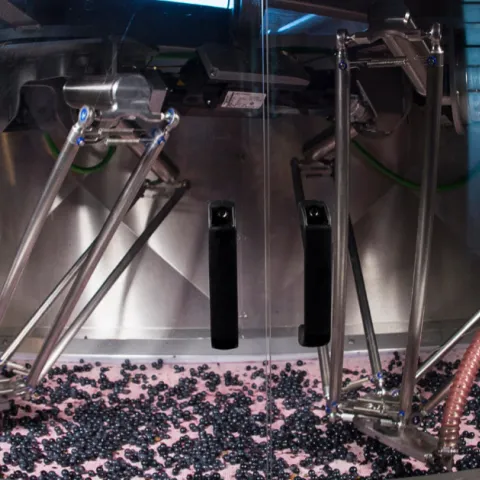
Technology has revolutionised grape harvesting, yet hand-picking remains irreplaceable where vertiginous slopes and terraces make mechanisation impossible. From Champagne to Valtellina, a journey through expert hands and optical sorters to discover when the way a bunch is picked truly makes a difference.
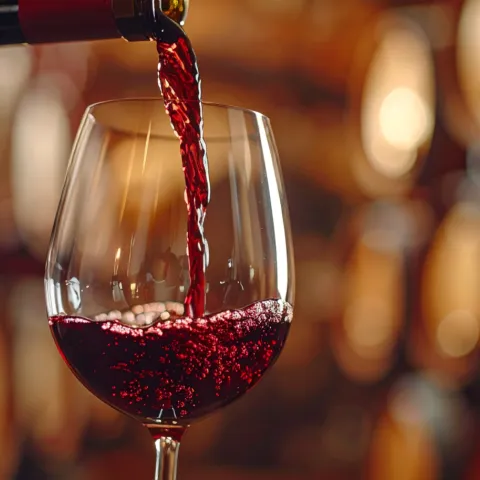
Roussillon, historic homeland of fortified sweet wines like Banyuls, Maury and Rivesaltes, is undergoing profound transformation. Pioneers such as Gérard Gauby have proved that ancient grenache vineyards on black schist can yield outstanding dry reds. Today the region is a laboratory where tradition meets experimentation, sweet coexists with dry, and memory encounters the future.
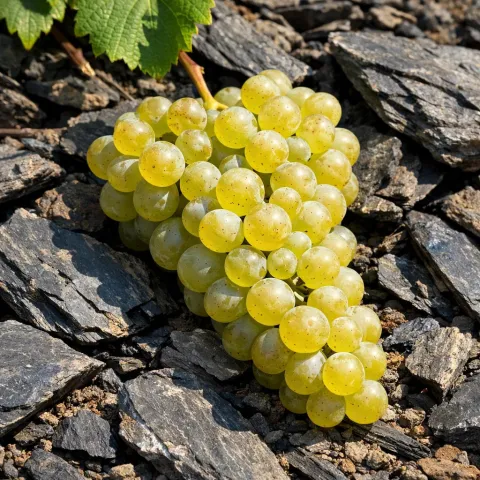
Why do the world's finest wines emerge from places where labour is hardest? From the vertiginous slopes of Germany's Mosel to the dry-stone terraces of Valtellina, this journey explores how gradient, aspect and the slow rhythm of ripening shape the character of wine in the glass.